

You're easy to like. And easy to forget.
You show up, you're generous, you care. And somehow you're still not the one people remember. The difference is seven specific feelings the chosen give without thinking, and no one ever taught you.
Without becoming louder, more charismatic,
or anyone other than who you are.
Stop being liked. Start being unforgettable.
Get Instant Access→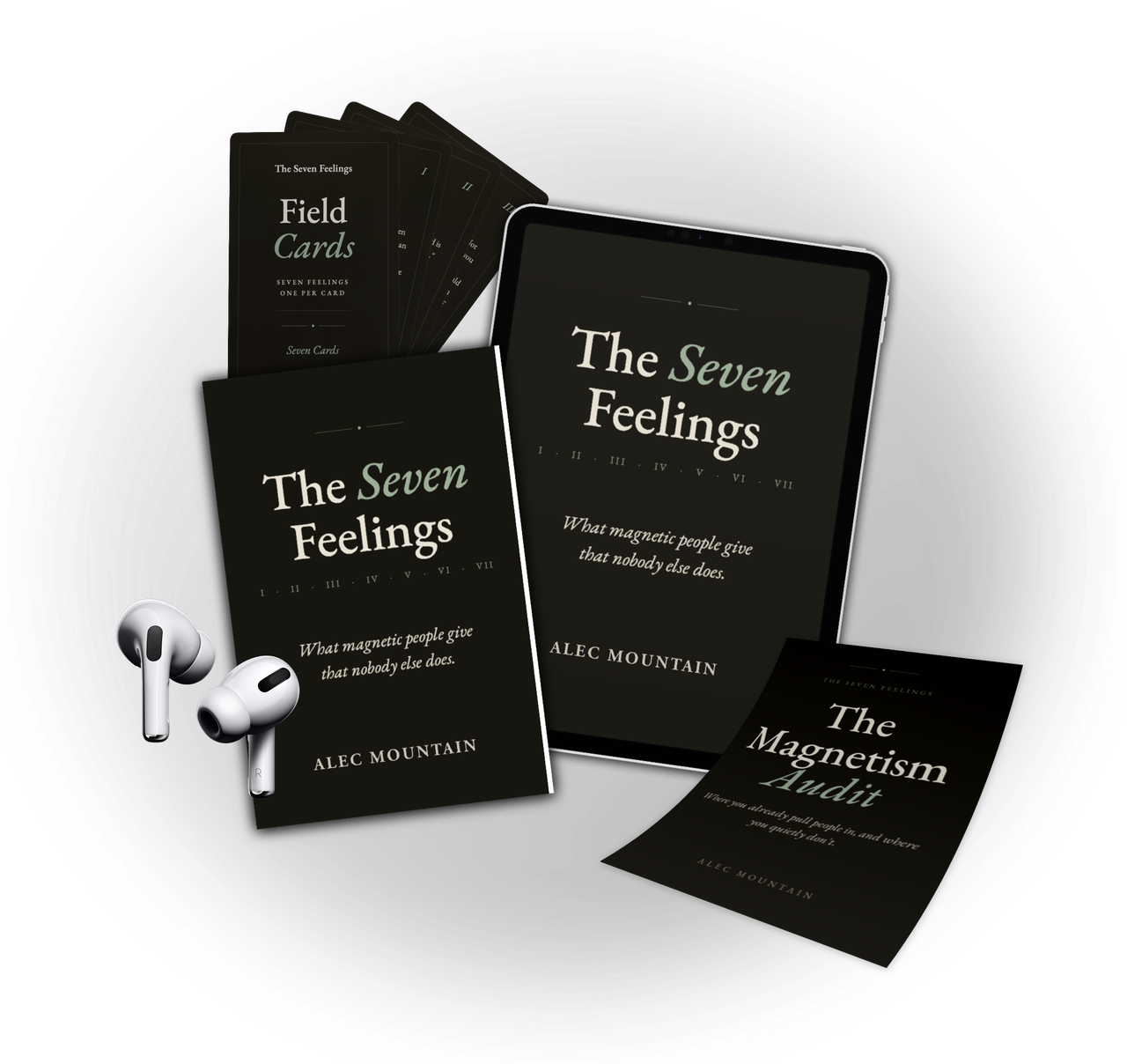
You give a lot. It keeps not coming back.
You're the reliable one. The generous one. You show up, you put in the effort, you genuinely care about people. And somehow you're still not the one they can't stop thinking about: not the one who gets the second date, the callback, the invitation that wasn't going to include you.
You've probably filed these as separate disappointments. Bad luck. Wrong people. A busy season. They're not separate. It's the same thing, happening quietly, over and over: a specific set of feelings you're not giving, the ones the people who get chosen give without thinking about it.
It isn't charisma, and it isn't that you're doing something wrong. It's that no one ever taught you the part that actually creates the pull: the feelings people are quietly starved for and can't name, so they never tell you they were missing. There are seven of them. This system shows you all seven: what each one is, the research that proves it matters, the exact behavior that creates it, and the moment it backfires.
Most people go their whole lives giving everything except these, and quietly being passed over by people who could never explain why. The ones who give them are the ones nobody forgets.
If any of this is painfully familiar.
- People like you, but you're rarely the one they can't stop thinking about.
- You're good in conversation, but you walk away unsure whether you actually landed.
- You've watched someone quieter than you become the person everyone gravitates toward, and you couldn't explain how.
- You give a lot (attention, effort, generosity) and it doesn't seem to come back as connection.
- You suspect the difference between you and the magnetic people you know is something specific, not just personality.
If any of this is also true, this isn't for you.
- You want a list of charisma hacks, power poses, or conversation tricks. This is about the layer underneath all of that: what you actually make people feel.
- You want to be told you're already doing it right. This is a recognition, not a reassurance, and the difference is the whole point.
- You want to perform a version of yourself instead of being yourself. This is the opposite of performance, and it won't help you fake anything.
- You'd rather not see it. Once you can name the seven feelings, you'll notice exactly who gives them and who doesn't, including yourself. For some people that's a burden.
You can probably remember the last person who gave you one of these.
Because it happens so rarely that it stays with you. The person who, in a single moment, made you feel genuinely understood, valued, seen, in a way that almost no one ever has. It wasn't how they looked that made them so attractive. It was something in how they made you feel. You probably couldn't explain exactly what they did. You just knew it was rare, and you never forgot it.
You remember them because almost no one does this. And that is the entire opportunity. Learn to give these feelings on purpose, and you become the person other people remember exactly the same way.
The seven feelings, in order.
They aren't a list. They're an arc, from reading the room to being trusted in rooms you'll never enter.
The Calibration
The Generous Read
The Specific Notice
The Held Space
The Closed Loop
The Unspoken Read
The Unseen Defense
From invisible to unforgettable.
See the feeling.
Each of the seven is isolated cleanly: what it is, why it's rare, and the research that proves it changes how people decide about you.
Learn the behavior.
Every feeling comes with the exact, specific move that creates it, and the moment it misfires, so you give it at the right time instead of the wrong one.
Give one this week.
You don't overhaul yourself. You pick one feeling, give it deliberately, and watch how differently people respond. Then you add the next.
Most advice tells you to be more. This tells you what to give.
Be more confident. More present. More charismatic. Smile more, talk less, hold eye contact. You've heard all of it, and none of it tells you what magnetic people are actually doing.
They're not being more. They're giving specific feelings (calibration, safety, attention, space) in moments most people don't even notice are happening. That's the layer underneath every charisma tactic you've ever read.
This isn't a personality overhaul. There's no script, no 90-day plan, no performance. Some of the most magnetic people you'll ever meet are the quietest ones in the room. They're not doing more. They've just learned to see who needs what, and to give it.
What people feel around you, without knowing why.
You won't announce any of this. You'll simply start giving feelings most people never get, and the people around you will feel the difference long before they can name it.
They relax faster. They stop bracing for judgment. They feel seen in a way that surprises them. They leave a conversation wanting the next one instead of relieved it's over. And slowly, they start treating you like someone rare, because to them, you are.
It doesn't take more of anything. It takes giving something almost no one else thinks to give. That's the whole difference between the people others drift toward and the people they drift away from.
Not opinions. Research.
Each of the seven feelings is grounded in work from people who've spent careers studying how humans decide about each other.
The small adjustment that decides whether a stranger trusts you in the first few seconds, and that almost everyone makes backwards.
What predicts who quietly gets pushed out of people's lives more reliably than anything else, hiding in a moment most people never notice.
Why a single three-second gesture can outweigh a ten-minute conversation, and what separates the one that lands from the one that doesn't.
The reason certain moments lodge in someone's mind for hours while others vanish the second they end.
One of the strongest predictors of whether a relationship deepens or fades, and why most people deliver only a fraction of it.
Why answering what someone actually meant, not just what they asked, moves them from helped to understood.
The automatic, almost uncontrollable way people decide what kind of person you are, based on something you'd never expect.
Here's one of the seven, in full.
No teaser, no locked content. A complete feeling, start to finish, including the part that makes it backfire, so you can judge the other six for yourself.
The Specific Notice
Think about the last compliment that actually stayed with you. Not "you're so smart" or "great job." Those slide off within the hour. The one that lodged named the exact thing: the way you handled the hard moment, the small choice no one else caught. You don't remember the words. You remember being seen.
That's the whole mechanism. The compliment was never the gift. The attention was. Generic praise could be said to anyone, which is why it means nothing; a specific notice proves someone was watching closely enough to catch something only true of you. Almost no one does it, not because it's hard, but because generic is safer. So most people stay in the safe lane and quietly wonder why their warmth never lands.
Here's the move. The next time you reach for something nice, name the specific thing instead. Not "you're a great presenter" but "the way you paused before answering the budget question made the whole room trust you more." Replace the adjective with the evidence.
Specificity tips into surveillance the moment you name something too private, or reveal you've been watching more closely than the relationship has earned. Then it inverts: instead of feeling seen, they feel watched. Notice what they'd be glad you caught, not what they'd be unsettled you caught. Specific, never exposing.
That's one feeling, in full. You can use it this week. There are six more, each built exactly like this: the feeling, the reason it works, the exact move, and the precise way it backfires. The audit shows you which ones you've been missing for years. This was the one we gave away.
Everything you need to start giving these feelings this week.
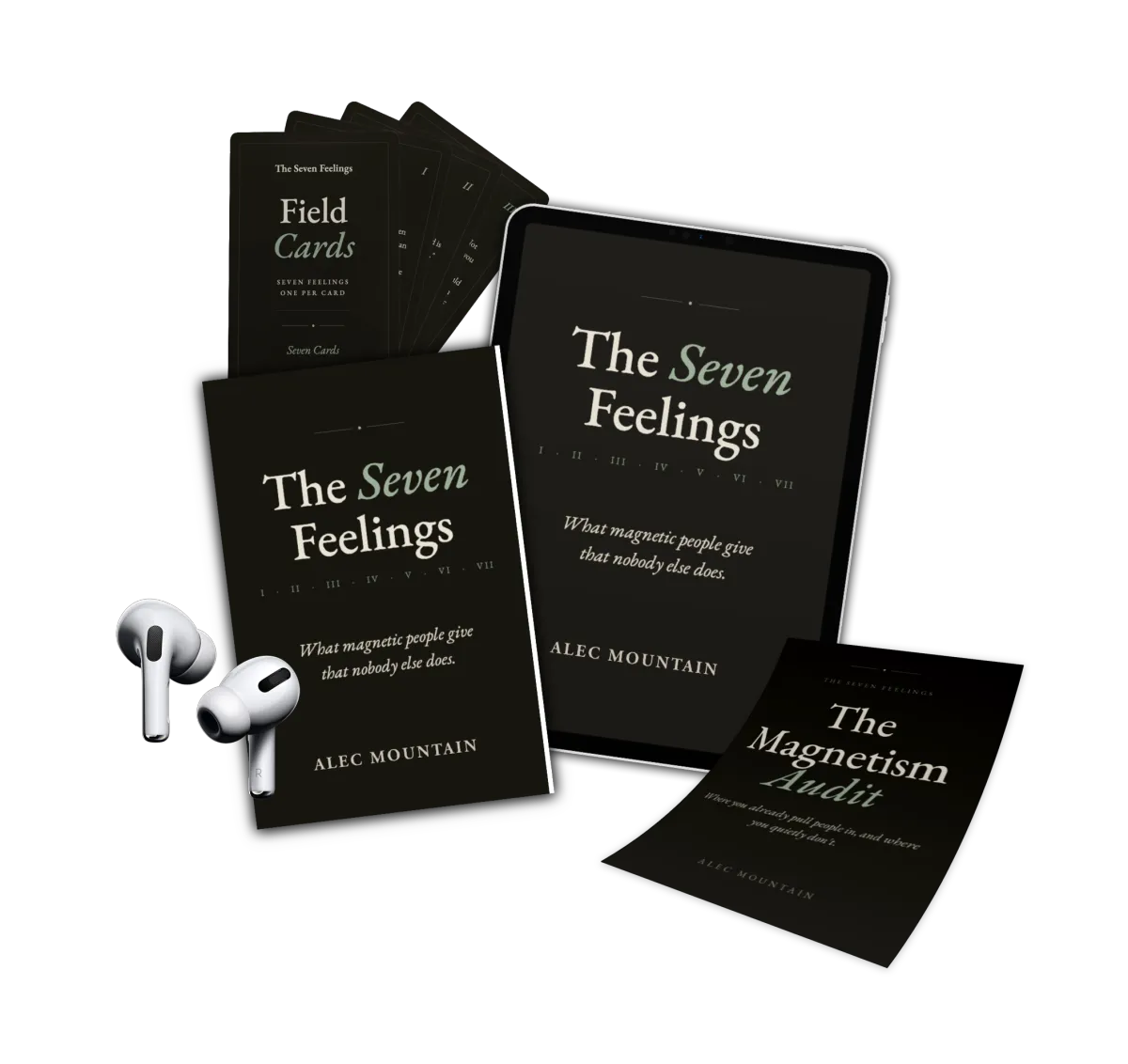
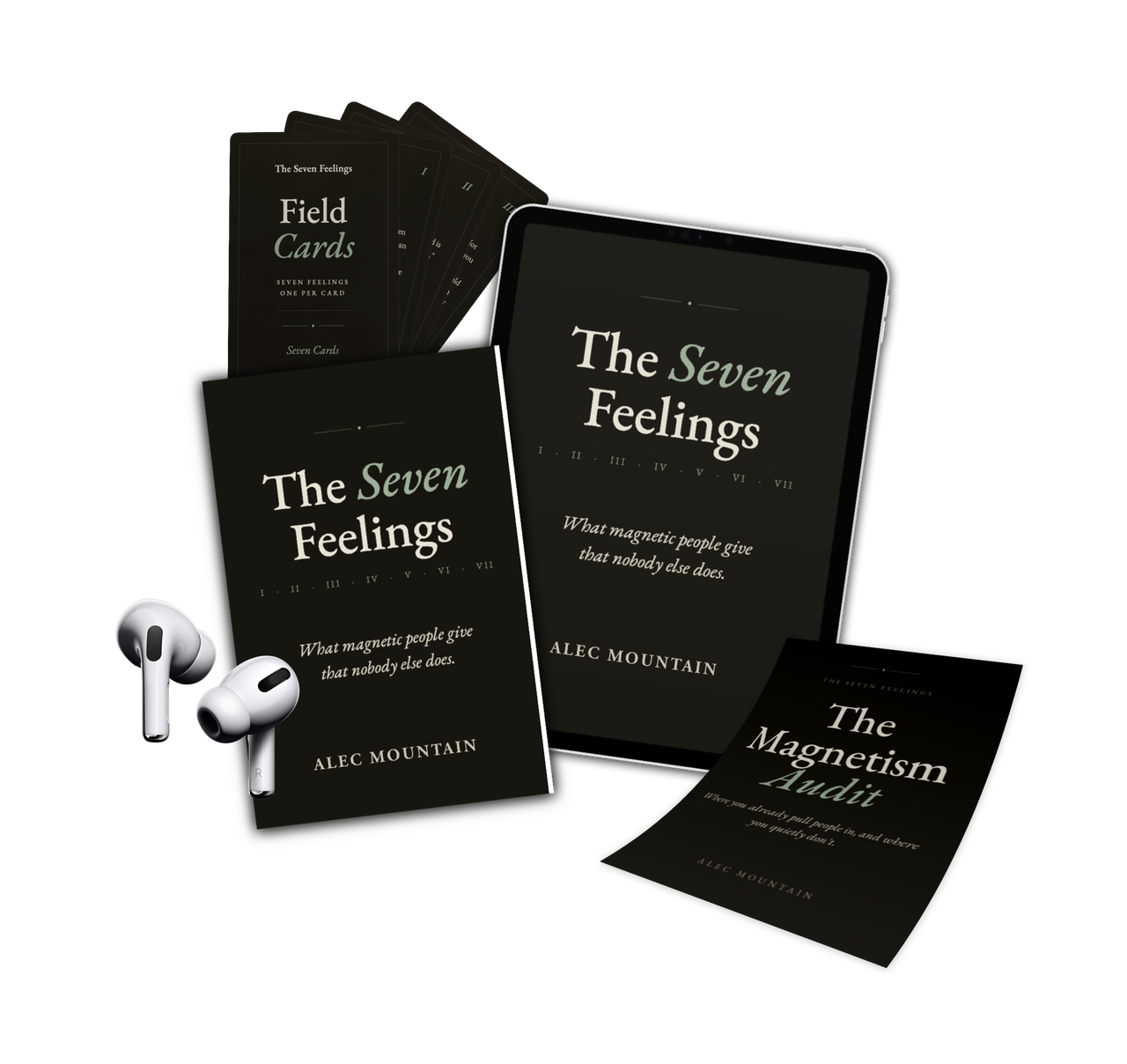
Everything delivered instantly, on your phone in under a minute. The guide is short by design: you can read the whole thing tonight and give the first feeling tomorrow.
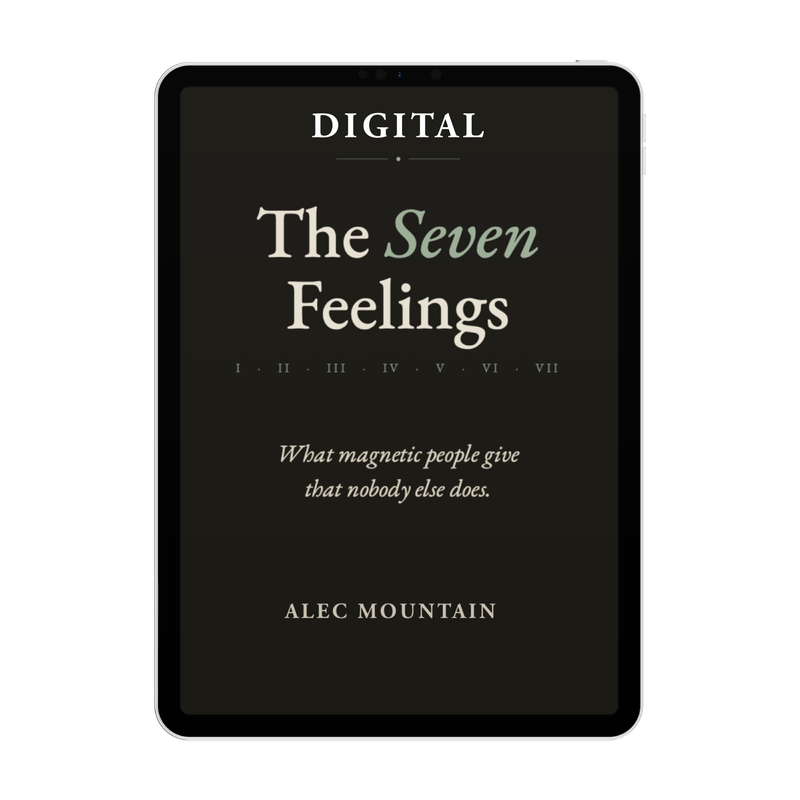
The Seven Feelings: The Full System
The complete framework behind why people are drawn to some and quietly pull away from others. All seven feelings in order, each with the research behind it, the exact behavior that creates it, and the moment it backfires. A fast read with a lasting lens.
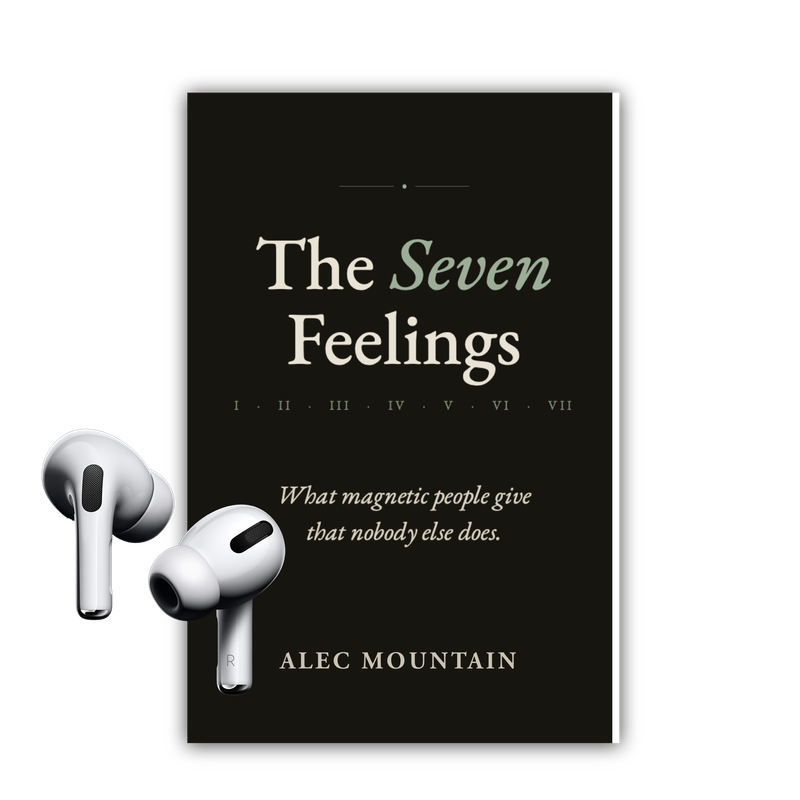
The Audio Edition
Absorb the whole system on a walk, a drive, or at the gym, then replay any single feeling in minutes on the day you want to give it. The fastest way to keep it in your head instead of on a shelf.
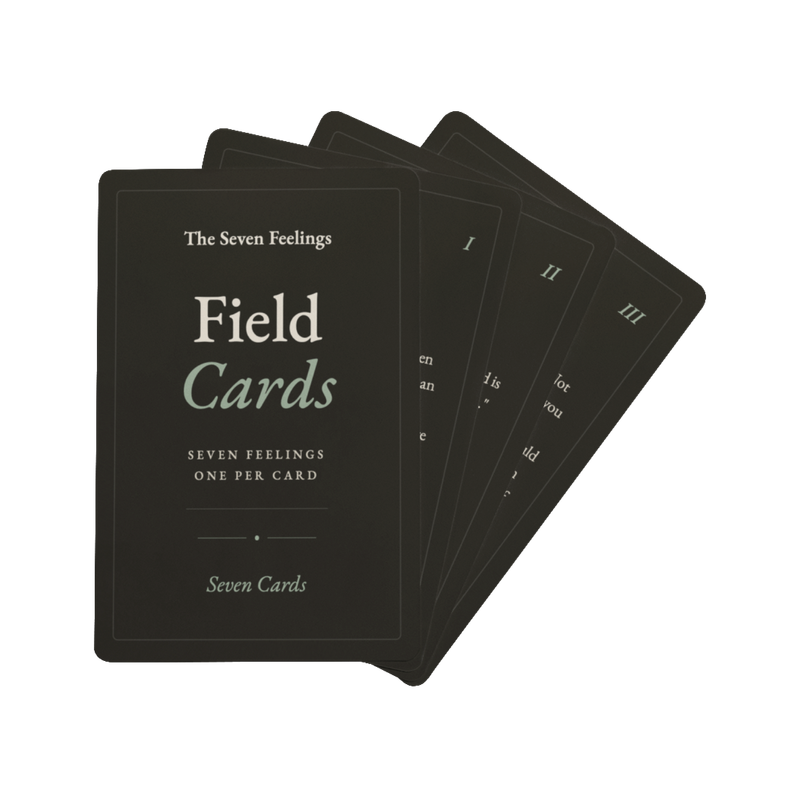
The Seven Field Cards
Pull up any feeling in seconds before the moment that matters, a date, a meeting, a dinner, a hard conversation. The essence on the front, the move on the back. The system, ready exactly when you need it.
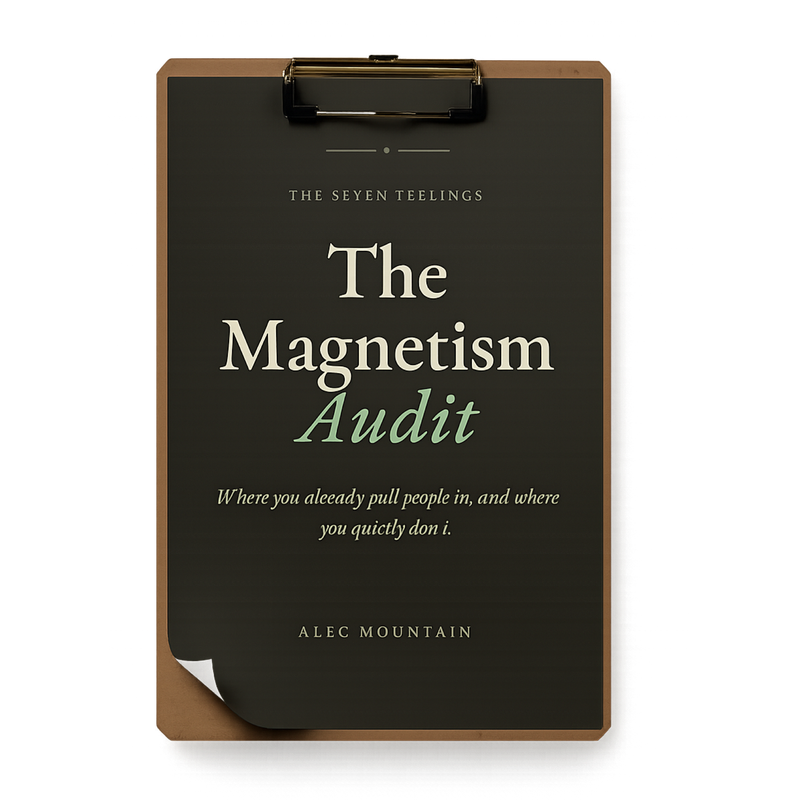
The Magnetism Audit
Find out which feelings you already give freely and which ones have been silently costing you connection for years. Score yourself on all seven in under five minutes. Most people are stunned by the gap.
You've already been paying for the cost of not having it, in every connection that quietly never formed. This costs $27, once.
 About the author
I wrote this because I spent years giving people everything but this.
I'm Alec Mountain. I wrote a top-selling book called Quietly Rejected, about the behaviors that quietly push people away. This is the other half: what the most magnetic people I've ever met do to pull people in.
For a long time I thought connection was about effort. Show up, try hard, be generous, be interesting. And I was, and it still didn't land the way I wanted it to. What I was missing wasn't effort. It was seven specific feelings I'd never learned to give, given to people who'd been starving for them without knowing it.
None of these require you to be louder, more confident, or more extroverted. I'm proof of that. They just require you to see, and most people never learned how.
— Alec
Commonly asked questions.
Who's behind this, and why should I trust it?
Is this just charisma tips repackaged?
I'm introverted. Will this make me act like someone I'm not?
How fast will I see a difference?
What's the refund policy if it isn't what I expected?
Read it. If it's not worth more than $27, I'll refund you.
$27 isn't nothing. You worked for it. So here's the deal:
Get instant access. Read the seven. Take the audit. Pick one feeling and give it to someone this week.
If you're not struck by what you find, email me within thirty days and I'll refund your $27 and let you keep the whole system, free of charge.
No forms. No hoops. No questions.
— Alec